Table Of Content
Other specialized living history events, lectures, and items of historical interest are given on a periodic basis. The house was commissioned by Dr. John Storer, a homeopathic physician, who was a friend of Wright’s. The house is located on a steep hillside, and Wright designed it to take advantage of the views. The house is built on a series of terraces, and the living room opens onto a large terrace with stunning views of the city.
Mapping the most incredible lost mansions of Los Angeles
In 1926, newspaper magnate and aspiring politician William Randolph Hearst built his mistress, actress Marion Davies, a 100-room Georgian Revival mansion, designed by William Flannery, on the beach of Santa Monica. Called the “White House” by those aware of Hearst’s political ambitions, it is today the site of the Annenberg Community Beach House, which has columns in honor of the long-gone mansion. In 1937, swimming pool magnate Phillip Ilsley moved into this Bermuda plantation-style estate in Brentwood.
Southern California homeowner shaken after watching …
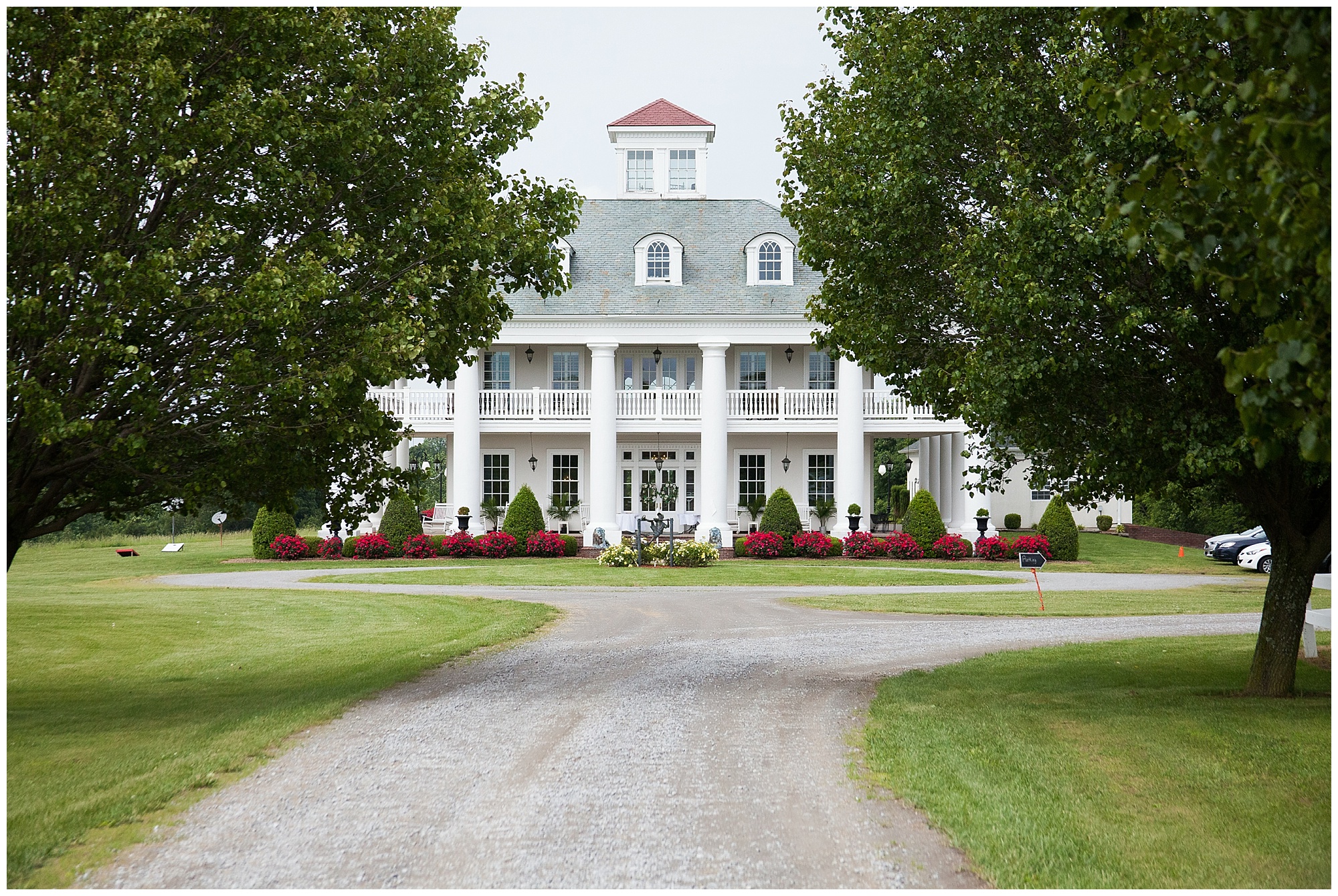
In Charleston and Savannah, the elite also held numerous enslaved people to work as household servants. The 19th-century development of the Deep South for cotton cultivation depended on large plantations with much more acreage than was typical of the Upper South; and for labor, planters held hundreds of enslaved people. According to Holliday, Weber bought a commanding lot high on a hill in Bel Air, overlooking the Bel Air Country Club. For the main house, she hired architect James E. Dolena to design a blindingly white 30,000-square-foot neoclassical mansion, the likes of which LA had never seen. By the 1920s, the newly rich and wannabe powerful in the real estate and movie industries were increasingly using in-vogue classical architecture to denote status and demand respect. In 1924, Francis Montgomery built Sunset Plaza on what became the Strip, anchoring what was essentially a shopping center with four white Georgian Revival structures.

William Andrews Clark Jr. Estate
In many ways, the adoption of classical styles in SoCal made a great deal of sense. As Holliday notes, here was a chance to start the American experiment over, in a truly idealized setting, a chance for these homeowners to become the powerful and prestigious people who had typically shut them out in their home states. In the early 1900s, this 100-acre hilltop estate in Los Feliz, built by department store pioneer (and Holmby Hills developer) Arthur Letts, was one of the tourist destinations of Los Angeles.
Wings were added in 1910, and a further expansion to the back of the house happened in the 1960s. The 82 matching properties for sale in California have an average listing price of $3,299,590 and price per acre of $55,564. The Lincoln Avenue Methodist Church was built in 1897, located at 732 North Orange Grove Boulevard in Pasadena. Designed in the Carpenter Gothic and Queen Anne styles, the floor plan also follows the Methodist tradition of non-axial plans. This plan, with the entrance in one corner and the pulpit in the opposite, is known as the Akron style, having originated in Akron, Ohio. The Storer House is made of concrete blocks, which were a relatively new building material at the time.
In popular culture
The carriage barn was built in 1899 on the grounds of what is now Pasadena's Huntington Memorial Hospital for Dr. Osborne, a member of the hospital's staff. Its architectural style is Queen Anne Cottage with Gothic Revival influences. It has three gables and a distinctive pitched roof.The barn was saved from demolition and moved to the Heritage Square Museum in 1981.
Crocker Mansion
During his trial, and even after his acquittal, the mansion became a pilgrimage spot for tourists and the media, much to the horror of Simpson's well-heeled neighbors. Simpson lost the home in 1997 after defaulting on the mortgage; the new owner had it torn down the following year. "It's not my house, and I could care less," Simpson told a reporter at the time. In 1919, the glamorous actress Alla Nazimova bought this 1913 estate (originally called Havenhurst) and in 1927 she built 25 Spanish-style villas on the property, quickly renting them out to the entertainment community's jet set. This low, rambling, Solstice Canyon ranch house was designed by Paul Williams in 1952 for grocery magnate Fred Roberts and his wife Florence. The house was built to accommodate the lush pools, waterfalls, and vegetation on the site.
After Letts's death, the mansion was torn down by his son-in-law, developer Harold Janss, to make way for the new development, Franklin Avenue Square. In the case of personal homes, this also means many individual stories have been almost completely forgotten—bulldozed over to make way for high-rise apartment buildings and larger, more opulent mansions. Below are a few of the most significant lost houses of Los Angeles—their stories live on, even if their walls are long gone.
SUV plows into Plantation home, sending driver to hospital; officials believe medical issue led to crash - WSVN 7News Miami News, Weather, Sports Fort Lauderdale
SUV plows into Plantation home, sending driver to hospital; officials believe medical issue led to crash.
Posted: Wed, 23 Aug 2023 07:00:00 GMT [source]
Fore! Perfect your swing at these 9 pleasant L.A. public golf courses
The Mount Pleasant House was built in 1876 by prominent businessman and lumber baron William Hayes Perry. Designed by renowned architect Ezra F. Kysor, the home contains detailing to convey the wealth and social status of the family. These elements include Corinthian columns, fine hardwood floors, a sweeping main staircase, and marble fireplace mantles. It was built in the fashionable neighborhood (in the 19th century) of Boyle Heights. The Perry's Mount Pleasant House was considered the finest and most expensive residence to arrive in mid-1870s Los Angeles. Silver used the house as a private residence and as a location for several of his films, including “Lethal Weapon” and “Die Hard.” In 2006, Silver sold the house to a private buyer.
Wright used the concrete blocks to create a series of geometric patterns on the exterior of the house. The patterns are both decorative and functional, as they help to shade the house from the sun. In a city as complex as L.A., it’s easy to be overwhelmed by the diversity of architecture.
The Ford House was built in 1887 as part of a large tract of simple middle-class homes in downtown Los Angeles built by the Beaudry Brothers. The home is particularly interesting because of its inhabitant – John J. Ford, a well-known wood carver. Ford's works include carvings for the California State Capitol, the Iolani Palace in Hawaii, and Leland Stanford's private railroad car.




No comments:
Post a Comment